Seasonal supply chain ripples: how component shortages recalibrate deposit-free incentives across global racket sport and digital arena forecasting apps
Avery Braun · Nov 2, 2026
Seasonal supply chain ripples: how component shortages recalibrate deposit-free incentives across global racket sport and digital arena forecasting apps
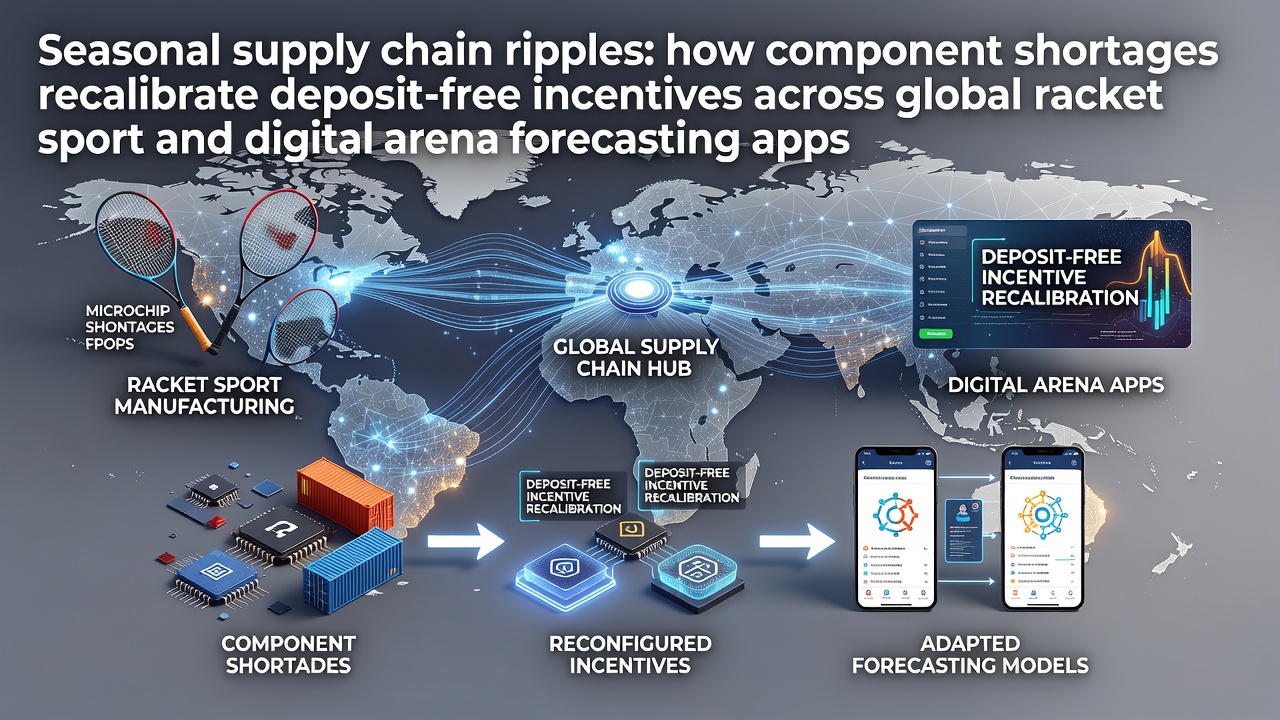
Component shortages in the semiconductor and electronics sectors continue to send ripples through industries that rely on mobile devices and cloud infrastructure, and the effects extend into the promotional structures of racket sport and digital arena forecasting applications. Data from industry reports indicate that limited access to chips and related parts raises production costs for hardware used in app development and user engagement, which in turn prompts operators to adjust deposit-free incentives to maintain margins. Observers note that these recalibrations appear most pronounced during periods when seasonal demand for sports forecasting peaks, such as the overlap of tennis circuits and esports tournaments in late-year schedules.
Tracing the Path from Shortages to Incentive Adjustments
Supply chain disruptions begin with constraints on raw materials and manufacturing capacity, then propagate through device availability and server resources that support real-time forecasting platforms. According to figures released by the US Department of Commerce, semiconductor output shortfalls reached notable levels in 2025 and carried forward into planning cycles for 2026, forcing technology providers to prioritize allocations. Those who manage racket sport forecasting apps, which often integrate live scoring from tennis and badminton events, find that higher device procurement expenses lead to tighter budgets for user acquisition campaigns. Deposit-free offers, which function as entry points for new participants, undergo recalibration through reduced bonus amounts or extended qualification periods because operators seek to offset elevated operational overhead.
Digital arena forecasting apps face parallel pressures since they depend on high-performance servers for simulated combat leagues and multiplayer prediction environments. Research compiled by the European Commission on digital infrastructure highlights that cloud service providers in several member states passed along cost increases during 2025, and similar patterns persisted into November 2026 when holiday traffic amplified demand. Operators respond by linking deposit-free incentives more closely to cumulative activity thresholds, which spreads the cost of promotions across longer user engagement windows rather than immediate sign-up rewards.
Seasonal Overlaps and Regional Variations
November 2026 marks a convergence point where racket sport seasons in the southern hemisphere intersect with major esports calendars in Asia and Europe, creating concentrated periods of user activity. Industry analyses from the Asia-Pacific Economic Cooperation show that component availability constraints affect hardware rollouts differently across regions, with some markets experiencing delays in updated mobile chipsets that power location-based forecasting features. In these contexts, operators recalibrate deposit-free incentives by introducing geographic restrictions or tiered eligibility criteria that reflect local supply realities and regulatory frameworks.
Take the example of one platform serving badminton and table tennis prediction communities: when chipset deliveries slipped by several weeks, the company extended the duration of no-deposit credits from seven days to fourteen days while maintaining the same nominal value. This adjustment preserved marketing reach without expanding absolute expenditure, and similar tactics appear in documentation from multiple operators tracked by the Canadian Gaming Association. Data indicates that such modifications help stabilize retention metrics even as hardware costs fluctuate.
Mechanics of Recalibration in Practice
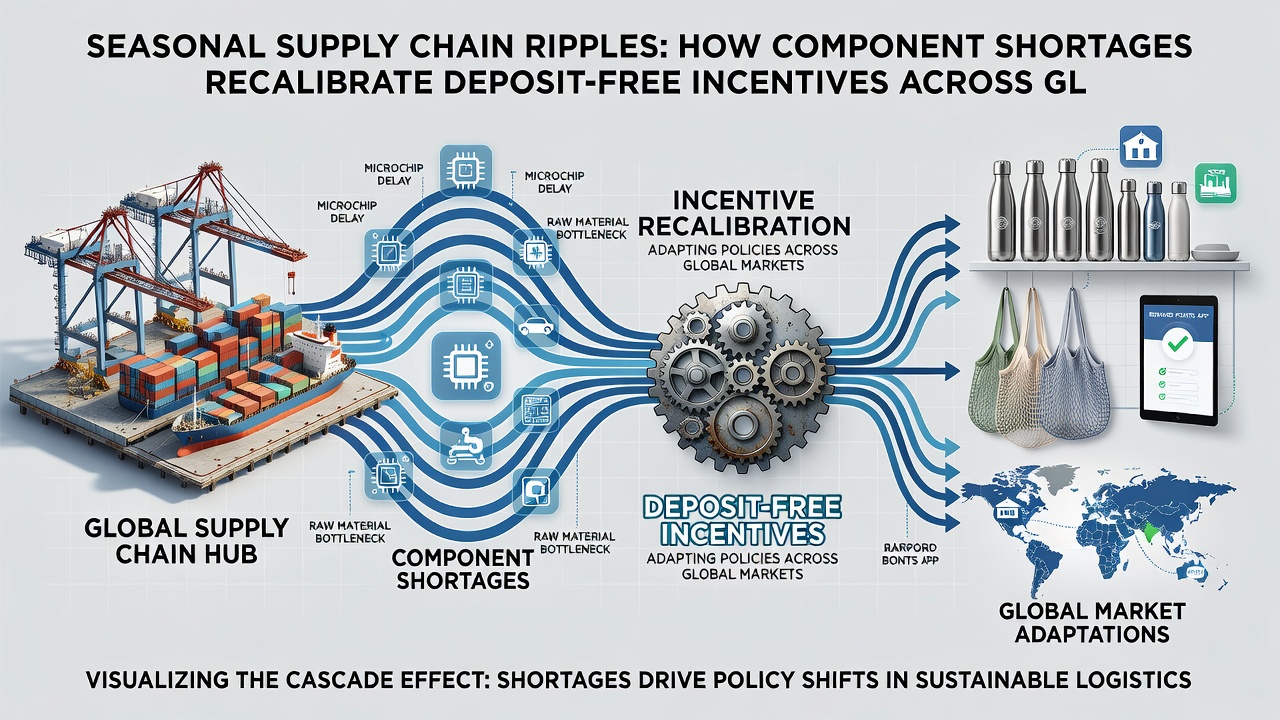
Recalibration often takes the form of revised terms rather than outright reductions in offer volume. Forecasting apps may shift from flat deposit-free credits to performance-linked variants that unlock additional value after users complete a set number of predictions on racket sport matches or digital arena events. Reports from the Australian Competition and Consumer Commission note that transparency requirements around such changes have prompted clearer disclosure language in app interfaces during 2026, ensuring participants understand how shortages indirectly shape available incentives.
Those who track platform updates observe that server-side optimizations become a common response when component shortages limit expansion of physical infrastructure. Instead of adding new capacity, operators refine algorithms that determine eligibility for deposit-free rewards, tightening fraud detection or accelerating reward distribution for verified activity. This approach maintains user trust while containing costs tied to scarce resources.
Cross-Platform Effects and Forward Indicators
Global racket sport forecasting networks and digital arena platforms share underlying dependencies on the same component ecosystems, which means shortages in one sector transmit effects across both. Studies from the OECD on technology supply chains reveal that integrated circuit allocations scheduled for late 2026 continue to face allocation queues, influencing launch timelines for app updates that incorporate new forecasting tools. Operators therefore time their deposit-free campaigns to align with periods of relative component stability, creating visible seasonal patterns in promotional calendars.
Evidence from multiple markets shows that platforms combining racket sport and esports elements adjust incentive structures in tandem, often coordinating bonus windows to avoid overlapping high-cost periods. The result is a more synchronized approach to deposit-free offers that accounts for both sporting calendars and hardware supply forecasts.
Conclusion
Component shortages continue to influence the structure of deposit-free incentives in global racket sport and digital arena forecasting applications through elevated costs and constrained infrastructure growth. Seasonal timing, particularly around November 2026, amplifies these dynamics as demand spikes coincide with ongoing supply limitations. Data from regulatory and industry sources across regions document how operators respond with adjusted terms, extended qualification periods, and performance-linked rewards that balance user acquisition goals against operational realities. These patterns underscore the interconnected nature of technology supply chains and promotional strategies in forecasting platforms.