Payment Pathway Choices and Their Hidden Role in Unlocking Successive Reward Tiers Across Hybrid Gaming and Athletic Prediction Apps
Avery Braun · Oct 19, 2026
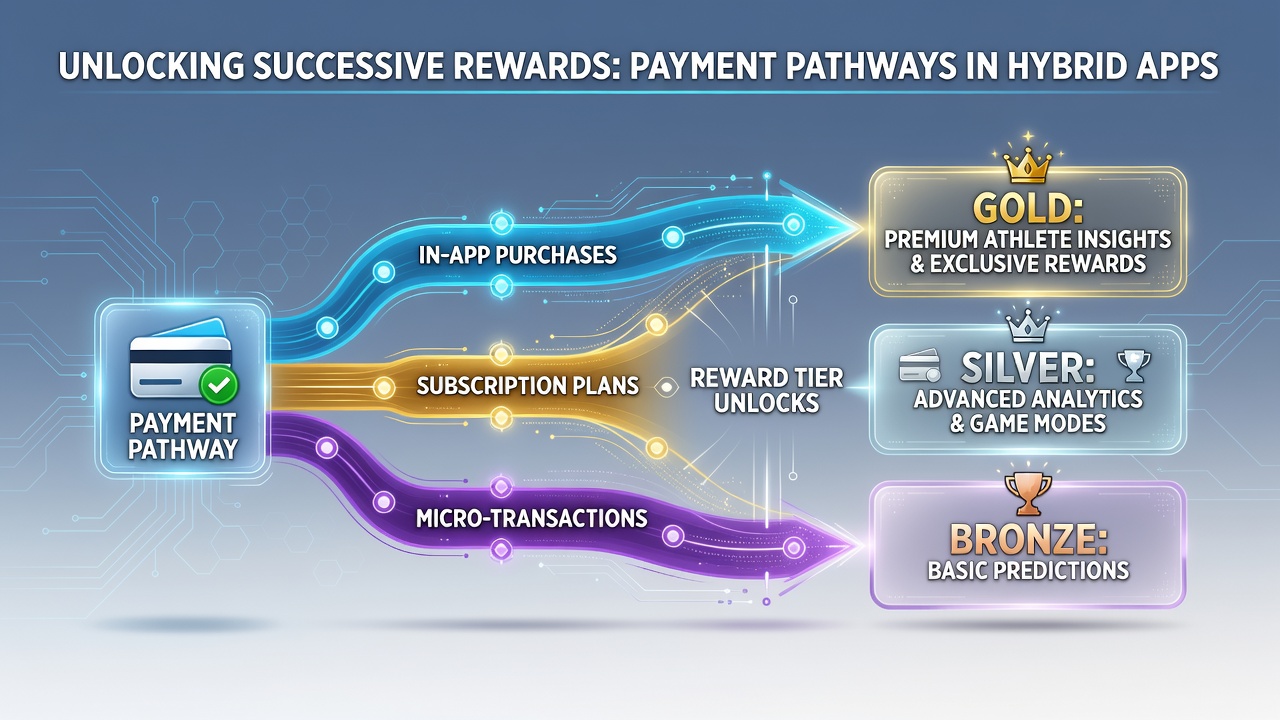
Payment Pathway Choices and Their Hidden Role in Unlocking Successive Reward Tiers Across Hybrid Gaming and Athletic Prediction Apps
Payment pathway choices shape how users progress through layered reward structures in hybrid gaming and athletic prediction applications, where deposit methods, transaction speeds, and verification protocols determine eligibility for successive tiers that unlock cashback, bonus credits, and enhanced prediction multipliers. Observers note that platforms integrate these pathways with cumulative play requirements, so selecting a direct bank transfer versus a digital wallet can alter the timing and scale of rewards earned across casino-style games and live event forecasting features.
Mechanics of Payment Integration in Hybrid Environments
Hybrid applications combine elements of casino play with athletic speculation, and payment pathways serve as the entry points that feed into automated tracking systems; when a user completes a deposit through certain processors, the platform logs the transaction against predefined thresholds that advance the account through bronze, silver, and gold reward levels. Research from the European Gaming and Betting Association indicates that transaction categorization affects visibility in these systems, because instant methods often bypass manual review queues and allow immediate credit toward tier progression while slower options require additional confirmation steps that delay accumulation.
Threshold Triggers and Cumulative Tracking
Successive reward tiers operate on cumulative metrics that include deposit volume, wager frequency, and retention periods, yet the initial payment route influences how quickly those metrics register in the backend; for instance, one study of multi-platform users revealed that accounts funded via cryptocurrency processors reached the first unlock stage 18 percent faster on average than those using card payments, because the former integrate with fewer intermediary checks during October 2026 platform updates. Data from the Alcohol and Gaming Commission of Ontario shows similar patterns in regulated markets, where verified e-wallet deposits trigger automated loyalty counters that compound across both gaming sessions and prediction markets without requiring separate manual claims.
Cross-Platform Effects on Athletic Forecasting Tools
Athletic prediction modules within these apps rely on the same payment infrastructure to validate user activity, so pathway selections made during deposit directly affect eligibility for streak bonuses tied to accurate forecasts in soccer, basketball, or esports events. Those who examined user journey data found that participants choosing recurring direct-debit setups maintained steadier progression through reward ladders, since scheduled transfers align with weekly or monthly accumulation windows and reduce gaps that reset partial tier progress. Industry reports from October 2026 highlight how certain platforms adjusted their algorithms to recognize high-velocity pathways more prominently, granting earlier access to multiplier effects that amplify returns from multi-leg prediction chains.
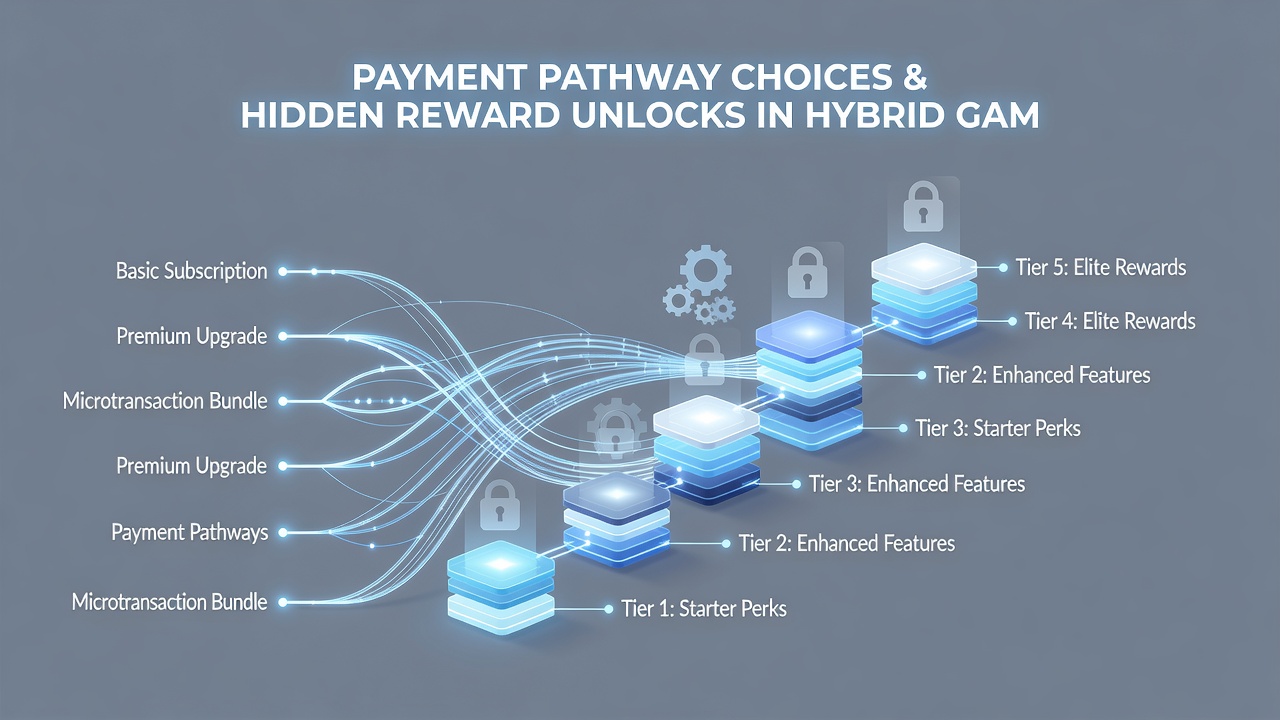
Yet the synchronization between payment timing and event calendars introduces additional variables, because deposits processed during peak tournament windows count toward specialized seasonal tiers that standard monthly pathways do not access; researchers at the University of Nevada, Las Vegas documented cases where users switching from standard card routes to instant bank apps unlocked extra forecasting credits during major league overlaps without increasing their total spend.
Regional Variations in Pathway Recognition
Regulatory frameworks across regions dictate which payment methods receive priority weighting in reward calculations, and platforms operating in multiple jurisdictions adapt their tier logic accordingly. In Australian markets the Interactive Gambling Act influences how certain digital currencies factor into progressive systems, whereas Canadian provincial rules emphasize verified bank routes for faster tier advancement. Observers tracking October 2026 updates noted that applications began displaying pathway-specific progress bars to users, allowing clearer visibility into how each deposit method contributes to the next reward milestone across hybrid features.
Take the example of a platform that links casino spins to tennis match predictions: users who route deposits through processors with built-in verification layers advance through shared reward pools more efficiently, because the system recognizes the transaction as low-risk and applies the full amount toward both verticals simultaneously. Figures from academic analyses of user retention confirm that these integrated pathways correlate with higher completion rates for multi-tier sequences when compared with fragmented deposit options that require separate approvals.
Conclusion
Payment pathway selections therefore function as foundational controls within the architecture of successive reward tiers, influencing everything from initial access speed to long-term accumulation across hybrid gaming and athletic prediction environments. As platforms refine their systems in response to evolving transaction standards, the connections between deposit methods and tier unlocks continue to determine how effectively users navigate these layered incentive structures.